
Calls to Protect Green Areas and Forestall Indiscriminate Land Allocations in Abuja
Civil society groups like HDAN are urging FCTA to halt the conversion of Abuja's green belts into developments. As the city loses its "lungs," experts warn of flooding, heatwaves, and lost livability—why preserving parks and buffers matters in 2026.
12/16/20253 min read
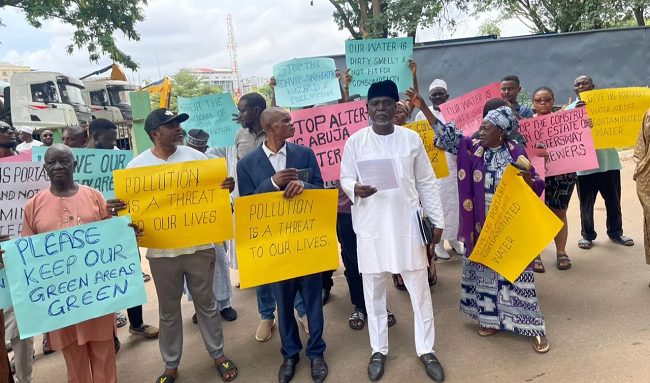
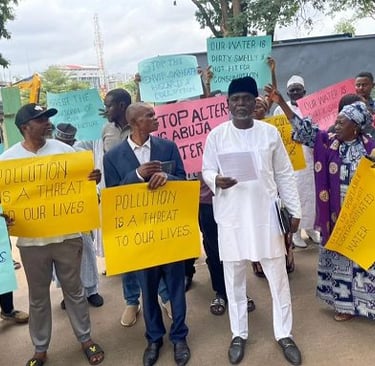
Abuja was designed as Africa's "garden city"—a planned paradise of wide boulevards, low-density neighborhoods, and vast green spaces to temper the tropical heat, absorb floods, and offer residents breathing room. The original Master Plan allocated fully one-third of the city to parks, gardens, buffer zones, and open spaces. Yet in 2025, that vision is fading fast. Civil society organizations, led by the Housing Development Advocacy Network (HDAN), have issued urgent calls to the Federal Capital Territory Administration (FCTA) to stop allocating and converting designated green areas into residential or commercial developments. @dailytrust.com @mdpi.com @african.business
HDAN's Executive Director, Festus Adebayo, warned in October 2025: "Turning green spaces into concrete jungles poses long-term dangers to the environment and undermines Abuja’s original vision as a model city." @environewsnigeria.com
These aren't isolated pleas—the issue has evolved into a broader urban-planning and sustainability crisis, with stakeholders demanding audits, transparency, and strict Master Plan enforcement.
At House Unlimited Nigeria, we see the real-world impact: buyers hesitant in zones near converted greens, fearing floods or future revocations. This post explores the calls to action, the environmental stakes, and practical advice for 2026 buyers.
The Disappearing Green Belts: What’s at Stake?
Abuja's green areas—parks, gardens, utility corridors, and buffer zones—were never decorative. They regulate temperature (cooling the city by 3–5°C), improve air quality, reduce flooding, and provide recreational spaces. @elements.envato.com
HDAN reports multiple conversions in cities like Abuja, Lagos, and Port Harcourt, turning buffers into buildings. @dailytrust.com
In Abuja, stakeholders note "ghost" reallocations of parks in Maitama and Wuse, with green belts vanishing for estates.
The Nigerian Association of Town Planners (Abuja chapter) wrote to Minister Wike in February 2025, highlighting dangers of redesigning green areas for mixed use. @shutterstock.com
World Habitat Day 2025 saw HDAN reiterate: "Every home built today must stand against tomorrow’s climate risks," as lost greens leave cities vulnerable to heatwaves and floods.
Residents feel it: Wuse Zone 6 Neighborhoods Association protested in October 2025, marching to Development Control over park conversions. @environewsnigeria.com
"This is a grave health and environmental challenge," they declared.
HDAN's Urgent Appeal: Stop the Erosion Now
In October 2025, HDAN directly appealed to Wike: "Put an immediate halt to the allocation and conversion of designated green areas."
Adebayo stressed reports from housing, real estate, and environmental sectors on "increasing loss of green zones." He called for:
Strict Master Plan enforcement
Comprehensive audit of designated greens
Collaboration with planners and environmentalists for restoration
HDAN views it as "not just an environmental issue, but a governance and accountability matter." Converting greens risks congestion, pollution, and poor livability—eroding Abuja's "model city" status.
FCTA's Side: Development vs Preservation
The FCTA, under Wike, prioritizes infrastructure and revenue—revoking dormant plots and reallocating for housing. Officials argue some "greens" were improperly held or never developed, justifying reclamation for public good. Yet critics question transparency: Who benefits from reallocations? Why bypass legislative approval for gazette parks?
The Parks and Gardens Agency manages these lands, requiring oversight for changes. Without it, conversions invite legal challenges and public backlash.
Why This Matters for 2026 Buyers and Residents
Lost greens mean:
Higher flood risk (buffers absorb water)
Urban heat islands (concrete traps heat)
Reduced quality of life (fewer parks for families)
Lower property values long-term (overbuilt areas lose appeal)
For buyers: Avoid estates on former greens—check Master Plan compliance via FCTA portal. Prioritize developments preserving open spaces.
At House Unlimited Nigeria, we only list Master Plan-compliant properties with verified greens intact.
Abuja can grow without sacrificing its lungs. HDAN's calls echo a shared vision: sustainable, liveable capital.
Your view on Abuja's greens? Comment below. For compliant buys:
→ WhatsApp: +234 904 375 2708
→ Green-compliant listings: houseunlimited.ng/green-safe
→ Free Master Plan check: official@houseunlimitednigeria.com
House Unlimited Nigeria – Growing Abuja the Sustainable Way